
Lately, I’ve been thinking about how easy it is to mistake activity for clarity. We are surrounded by more information than ever. Podcasts, frameworks, experts, opinions. It feels like progress. It often isn’t.
In my work this month, I’ve seen the same pattern again and again. Smart people, working hard, moving fast, but rarely stepping back far enough to ask the more strategic questions.
What problem are we really solving.
What are we assuming.
What are we not seeing yet.
So this month’s Strategic Spotlight is about that.
Thinking clearly in a noisy world.
If there’s one thread running through this edition, it’s this:
Clarity is not about knowing more. It’s about seeing differently.
One of the most useful things I watched this month came via Simon Devonshire OBE, who pointed me towards this critique of Diary of a CEO by Barry Ferns of Barry’s Economics:
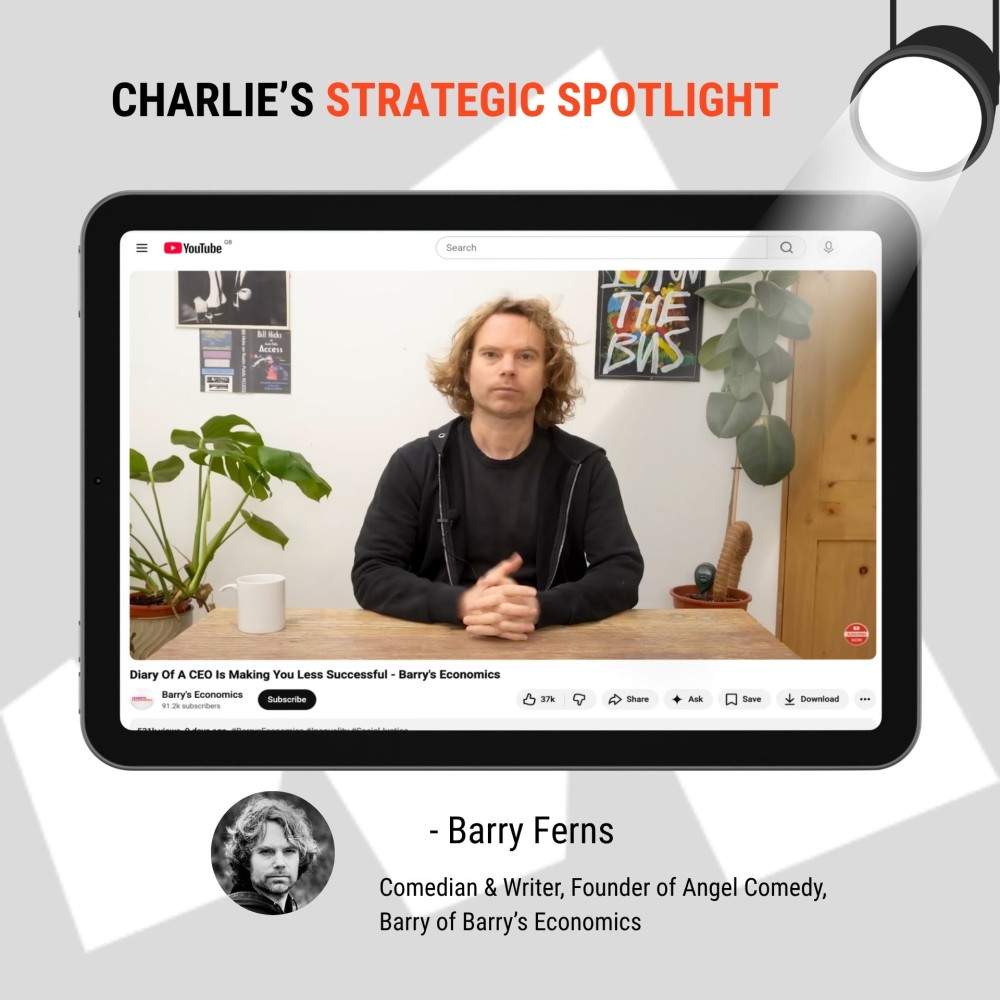
Three things stood out:
Watch it here 👉 https://youtu.be/CbDQs_TcyN4?si=NqLtUNZwKn05S7AL
This connects strongly to Be More Strategic: https://www.teammandarin.com/be-more-strategic-book. Good judgement is not about certainty. It is about asking better questions and staying open long enough to see what is really going on.
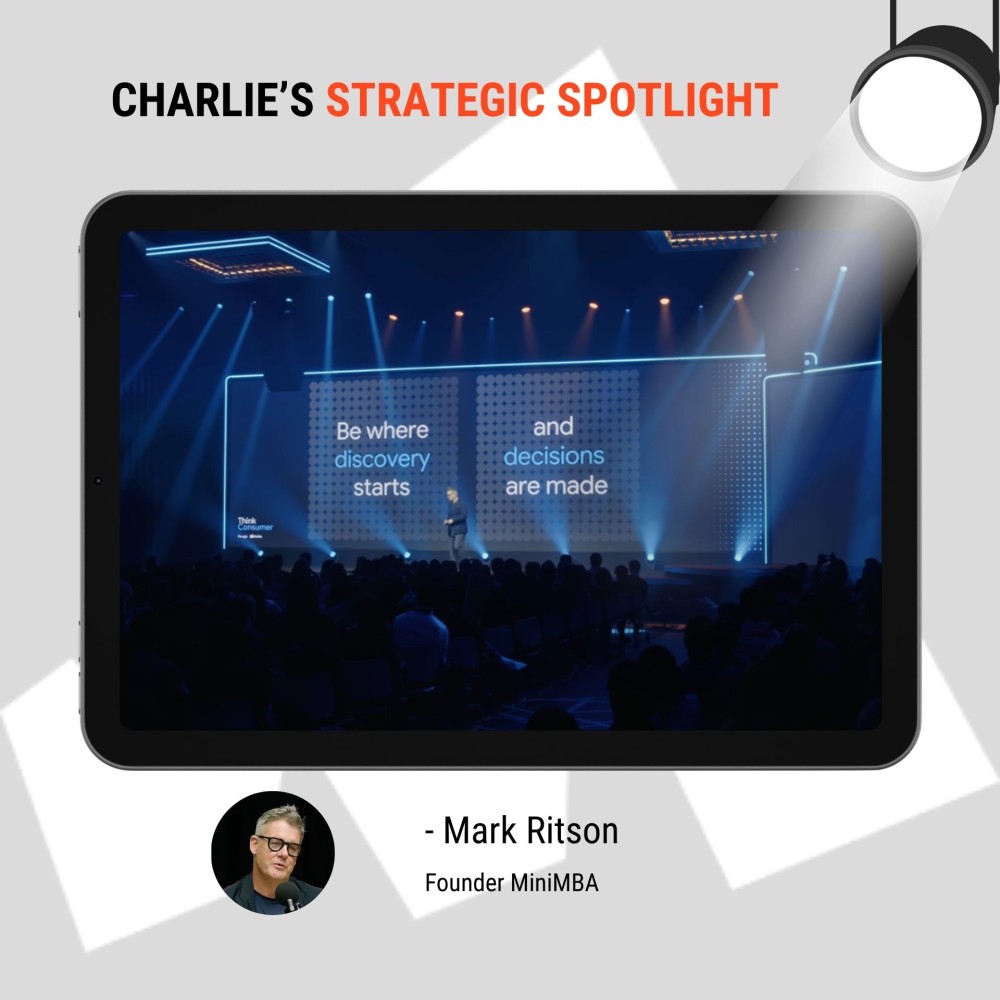
I also watched a brilliant short talk by Mark Ritson on “bothism”.
Watch it here 👉 https://www.linkedin.com/posts/markritson_google-consumer-bothism-ugcPost-7444298002971758592-LdMY/
We are often told to choose between:
But the best organisations do not choose. They do both.
The real danger is not choosing the wrong side. It is accepting the trade-off in the first place.
This connects directly to something I explore in Be More Strategic.
Strategy is not about resolving tension. It is about holding it.
Michael Porter taught us about differentiation and trade-offs.
Others later argued for distinctiveness and salience.
The answer is not one or the other.
It is both.
And the real skill is knowing when and how to apply each.
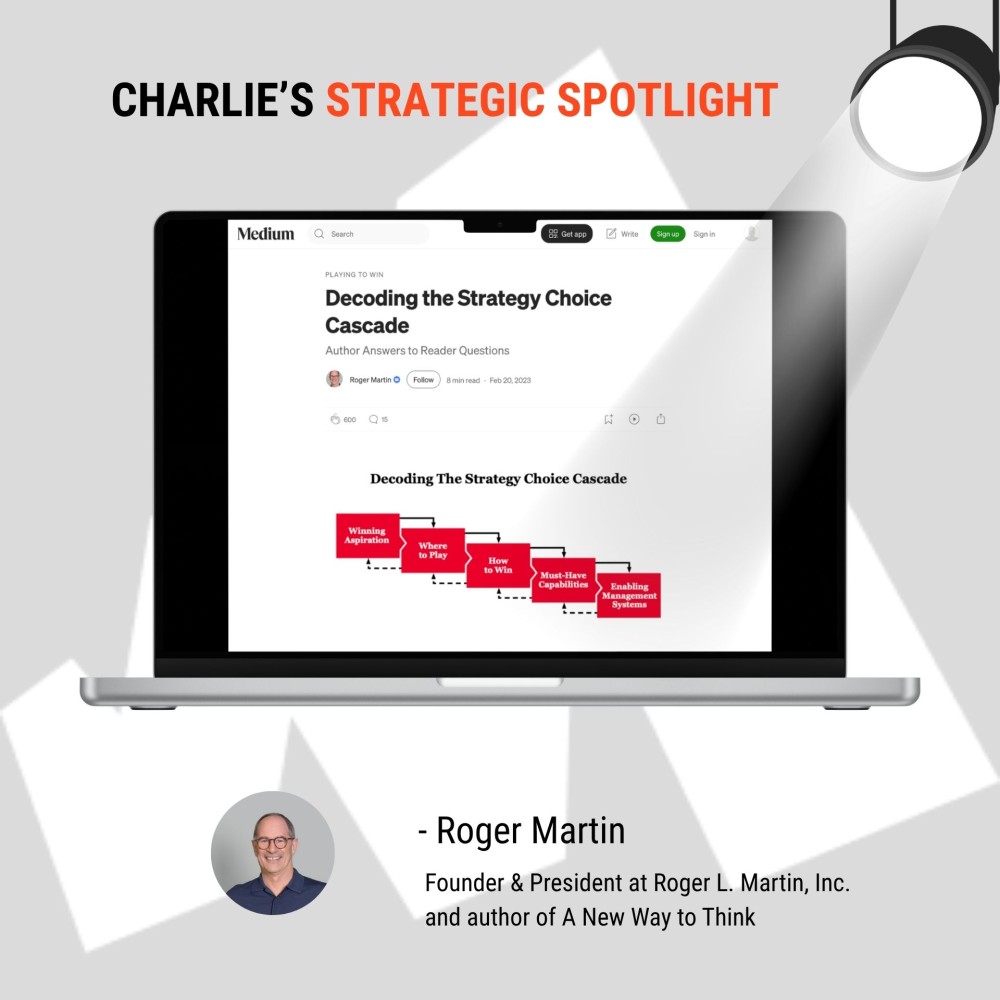
I’ve referenced Roger Martin ’s Strategy Choice Cascade in previous newsletters.
His recent piece (featured on Medium) responding to reader questions is well worth a read: https://rogermartin.medium.com/decoding-the-strategy-choice-cascade-475d40555eb1
At the heart of it is a challenge he sees all the time.
Leaders treat strategy as the first three boxes:
And then assume the rest is execution.
His view is clear. You need all five.
Because without:
4. Must-have capabilities
5. Enabling management systems
You do not have a strategy. You have an idea.
Now, if five boxes feel complex, he suggests grouping them into three:
Not a simplification – just a clearer way of seeing it.
I used this with three different client teams this month and saw the same pattern.
Lots of activity. Reasonable plans. Unclear choices.
The issue was not effort.
It was that the full set of strategic choices had never been made and connected.
In a recent offsite, the most valuable moments were not the slides. They were the conversations.
Not more plans. Just better conversations.
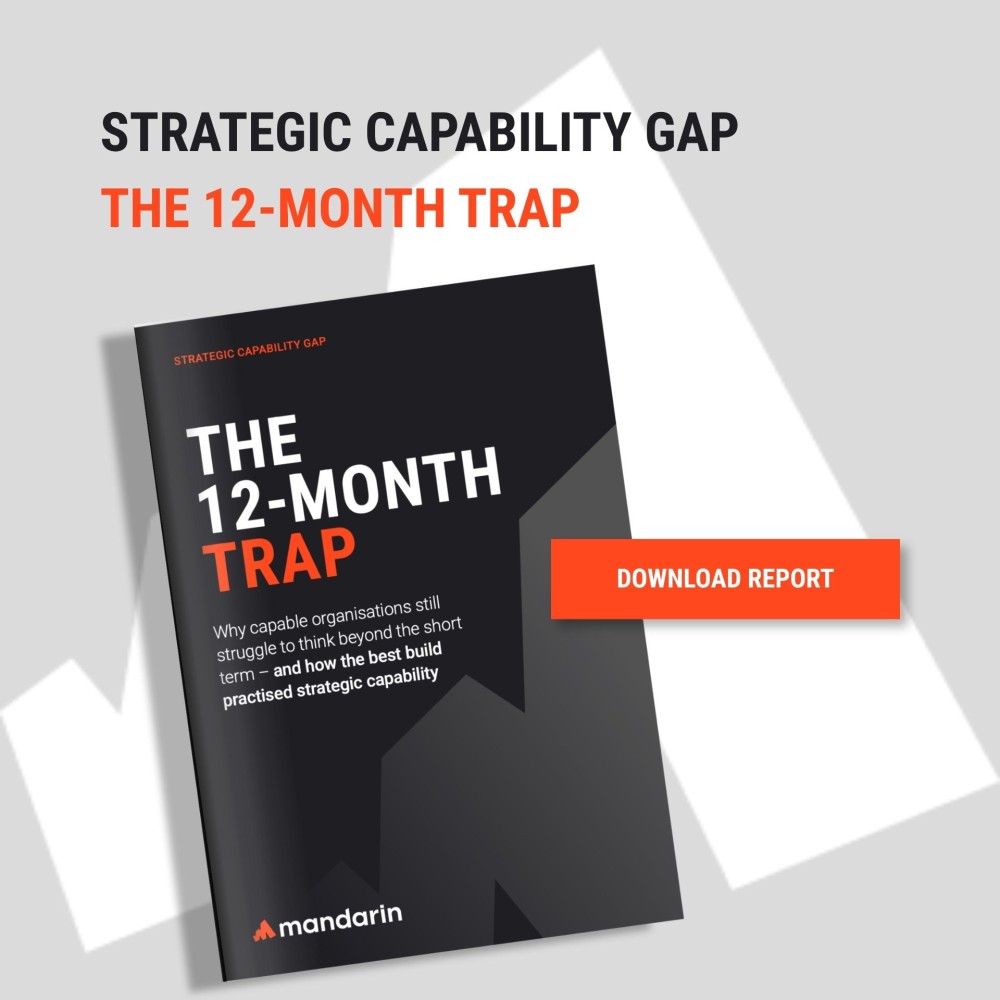
One theme that keeps coming up is what I call the 12-month trap.
Plan. Deliver. Review. Repeat.
💻 Always busy.
😰 Always reacting.
🤨 Rarely questioning direction.
Most organisations do not lack intelligence. They lack the space and capability to think strategically under pressure.
I’ve been working on a short report exploring this in more depth.
Why strategy becomes activity. Why delivery crowds out thinking.
And what actually shifts this.
DOWNLOAD THE STRATEGIC CAPABILITY GAP 2026 REPORT
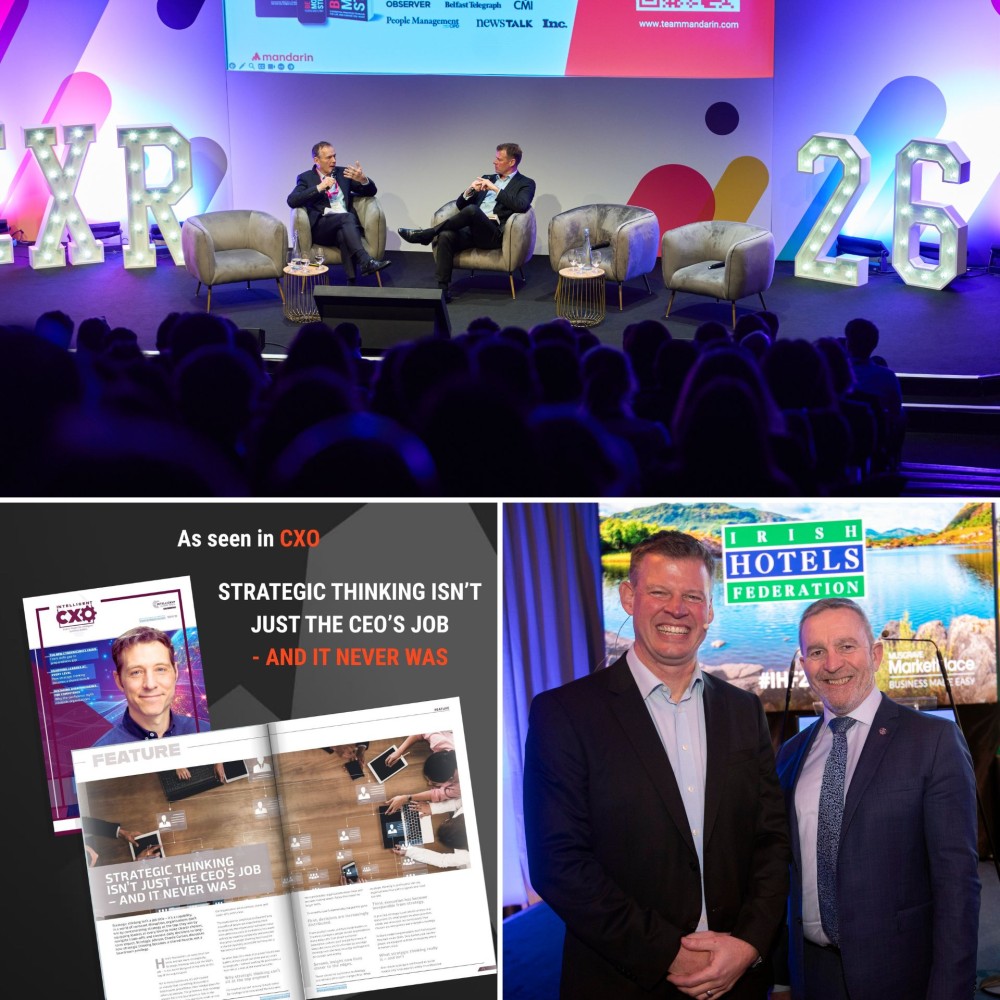
Over the past month, I’ve enjoyed a variety of activities – from running workshops, to speaking on stages, recording podcasts, and contributing to a few more publications, including Intelligent CXO (Read the article here).
Across all of it, one thing keeps coming up.
Once people understand the difference between strategy and planning, something shifts.
They realise this is not a knowledge problem. It is about how we think, decide and behave, especially under pressure.
That is the part that lands.
I often ask audiences:
Has anyone ever been told to “be more strategic”?
Almost every time, the room smiles and nods.
And often, neither person really knows what that means in practice.
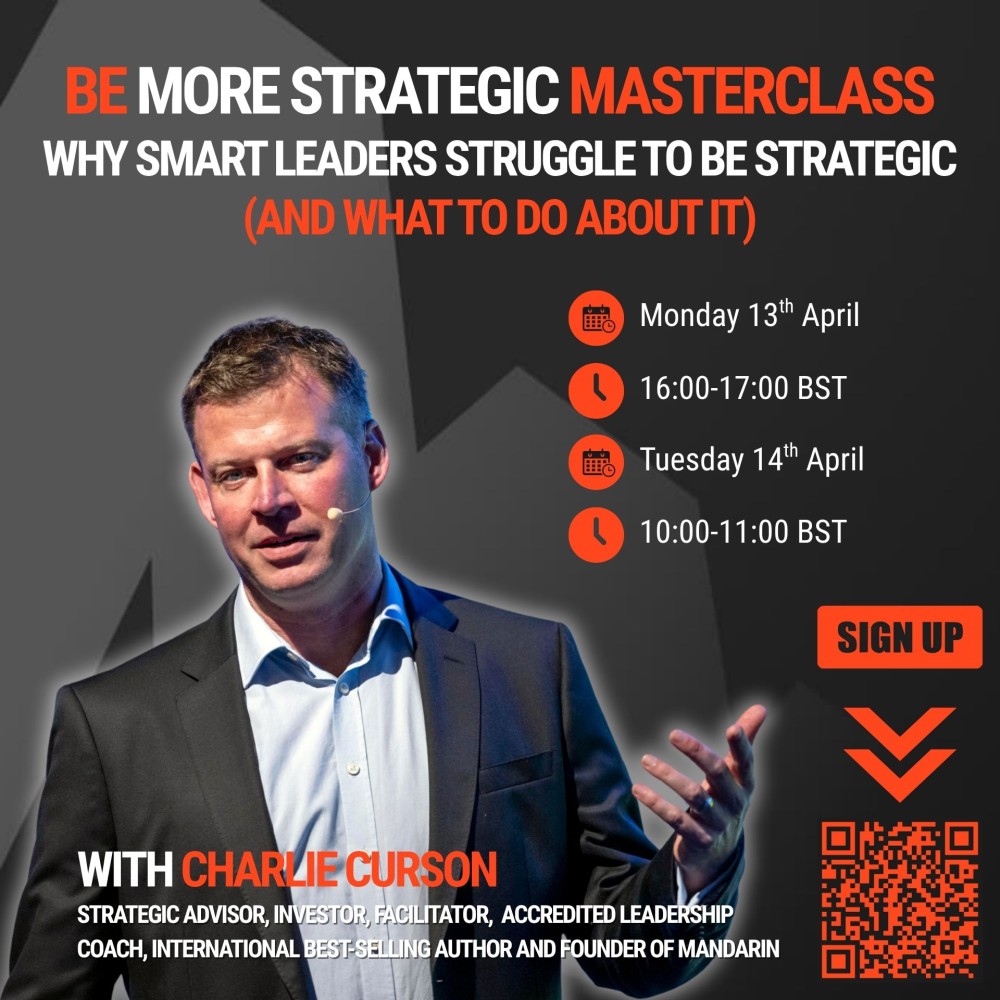
Most organisations don’t lack strategy. What they lack is the ability to think clearly, decide well and act with intent when the pressure is on. This session is designed to help leaders move beyond firefighting and develop the mindset, judgement and practices that make strategy stick in day-to-day behaviour.
I will be running two live sessions:
FIND OUT MORE AND SECURE YOUR FREE PLACE


